________________
Similarly, we learn from ms no. 13 that Tapa Devendrasuri had recited the Sadanga Agumas along with commentaries during his discourses at the place called Jangharala, while no 20 (2) informs us that Asadhara of the Chesa family got erected a temple of the 24 Jinas at Satruñjaya and also other Jina-temples at such places as Stambhatirtha, Sojhintraka, Kāvi, Timbapura, Hathindana, Nagara, Anahillapura and Balasara (= mod Vanasana in north Gujarāt?)
xi
The following statement of no 20 (5) reveals the fact that in ancient times also monks used to manage the Jñar a-bhandiras
Samat 1478 varse vaisālikaśıromampujya Pan Säntisundaragam pādaih sarvam citkošahāryam gañjukasamāracanādı akāri Bharukacchasālāyām | Śrīsanghasya subham bhavatu srīcitkośena || Cha || Pan. Säntisundaragambhiś citkośagañjukasamāracanādıkṛlyam vidathe || Srih ||'
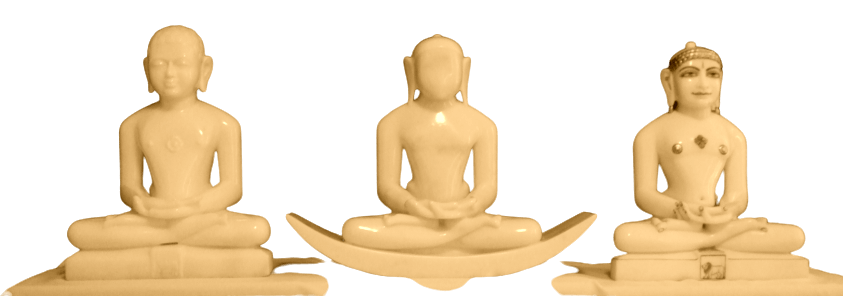
There is a reference to the year commencing with the month of Vaisakha in ms no 64. Likewise, no 70, a ms of the Püksikasútra and the Oghaniryuklı, was prepared by one Khemasimha Śravaka, while no So viz Tilahācārya's commentary on the Dasavaıkālikasûtra, was revised by one Manikyatılaha. The post-colophon entry of mis no 202 states that Dhanadāka installed a new Mulapratima in the temple of Adinatha at Kāsahrda (mod. Kāsandrā), while his descendent Alhaka spent after the abharana, ārātrika and mangaladipa of this Yugadideva, vide.
Kasahyde varanagare
and
Dhanadahena"dınäthaginabhavanc
1
'sthyapyata suddhena cillena || 4 ||
Mulapratima'bhinavā
Alhako'rilavittād
abharanam śriyugadidevasya | Ārātrikam ca mangala
-dipayutam kārayāmāsa || 11 ||
The following statement from ms no 270 is also interesting.
Svartham pustikalekhanasya pratisedhānantaram yah ko'pi pustikām lekhayatı tena sarvasādhāranam eva lekhayılavyeti vyavastha || cha || Ata idam Nyayapraveśaka-Nyāyāvatāratıppanakapustıkā abhinavalıkhite'tı sarvagacchasādhāranā śrīmajjınasıņhasūrīnām | Śrīvīrasımhasūrīnām |
It appears from these words that when objections were raised against allowing the use of copies of the canonical works to the followers of different gacchas, certain Gitärtha preceptors made it a rule that all the copies prepared thenceforth ceased to belong to any particular gaccha so that all could get the same for study without any difficulty.