________________
फेब्रुआरी २०११
१५७
etad vayam ihākarnya vyamrishāma svacetasi/ bahūnām madhyatah ke ‘pi ced bhaveyur Jināshritāh//163
163. “Having heard this (from our teachers) and having thought about it, we conclude that among these many [Pāndavas] there may be some who were followers of the Jina (=Jaina)".
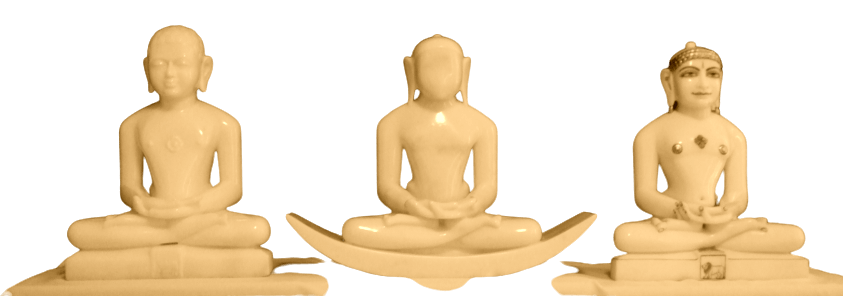
164. “On the Shatrunjaya Hill there are images of them to be seen, as well as in the temple of Shri Candraprabha in the city Nāsikyapura”.
165. “We have thus heard this from various sources; we know [only] ours clearly. Surely, knowledge can be received from any source, like the Ganges it is no one's familyestate".
166 "May the learned brāhmanas, experts in the knowledge of the Vedas and Smritis, also be questioned [about the veracity of the above story].”
167-69. The King heard this and said: “This Jaina, a Sage, speaks what is true. Answer him if there is truth in it according to your opinion. I am the judge in this matter, being equal to all religions, one who has worshiped at temples in honor of all Divinities."
170-71. The brāhmanas, having no answer to give, embraced silence. The King honored the Ācārya and said: “Venerable Sir! No fault at all attaches to you, in setting forth events as described in your scripture (sva-āgama).”
172. Honored thus by the King, the Venerable Hemacandra shone forth like the blazing sun in the sky of the Jaina teaching. (Prabhāvakacarita of Prabhācandra, p. 187-88.)
No wonder, without the benefit of an Index of shlokas, the brāhmanas were unable to identify the quoted verse "atra Bhishma-shatam dagdham”: it would be a task like finding a needle in haystack. So I looked up the modern Critical Edition of the Mahābhārata (Sukthankar, Poona, 1933) and was aston